3D Printing Test Matrix Calibration Platform
Systematic Rapid Prototyping

Give Every Test Print a Clear Question

Plan focused print trials around fit, geometry, surface outcome, function, repeatability, and design uncertainty.

Designed for:
  • Product Designers
  • Prototyping Teams
  • Makers
  • Students
  • Small Batch Shops
PT-MTRX // v2.9.6 ACTIVE SPEC
One print. One question. One observable result.
01
Hypothesis
Will reducing outer wall speed to 35mm/s eliminate corner ringing on the snap joint?
02
Controlled Variable
PrusaSlicer 2.9.6 • Outer Wall Velocity (-25mm/s)
03
Observable Result
Caliper verified: 0.12mm deflection margin, zero surface artifact under 45° directional lighting.
ENGINEERING METHODOLOGY

Why Ad-Hoc 3D Printing Fails Prototyping Teams

Transitioning from unorganized slicer adjustments to systematic physical validation turns wasteful print cycles into conclusive engineering evidence.

UNSTRUCTURED ITERATION 4 KEY PITFALLS

The Trial-and-Error Loop

Changing multiple slicer settings at once while printing complete models without clear validation criteria.

  • Multivariate Confusion

    Modifying temperature, speed, and extrusion width simultaneously leaves the actual cause of failure unidentified.

  • Wasted Filament & Machine Time

    Running 12-hour full-part prints repeatedly just to check a single 3mm fastener hole or joint clearance.

  • Unrecorded Observation Data

    Measurements and slicer parameters remain undocumented in chat messages or scattered notepad drafts.

  • Vague Stopping Criteria

    Launching another print without establishing what concrete quantitative result determines a passed test.

THE PARTTRIAL FRAMEWORK SYSTEMATIC RECORD

One Print. One Question. One Result.

Formulate a strict hypothesis, isolate the test geometry, and capture measurable observations in structured ledgers.

  • Single-Variable Isolation

    Isolate one calibration parameter at a time to build definitive cause-and-effect understanding across runs.

  • Critical Feature Coupons

    Slice and test isolated sub-sections to validate critical snap fits, wall clearances, or threads in minutes.

  • Structured Trial Worksheets

    Log exact material lot, slicer profile, micrometer dimensions, and visible defects in repeatable tables.

  • Definitive Stop / Iterate Decision

    Evaluate recorded evidence against predefined threshold criteria before producing final multi-part assemblies.

STANDARDIZED PROTOCOLS

Structured Workbooks for Every Prototyping Question

One print. One question. One observable result. Select the dedicated ledger designed to isolate variables and record measurable physical outcomes before production.
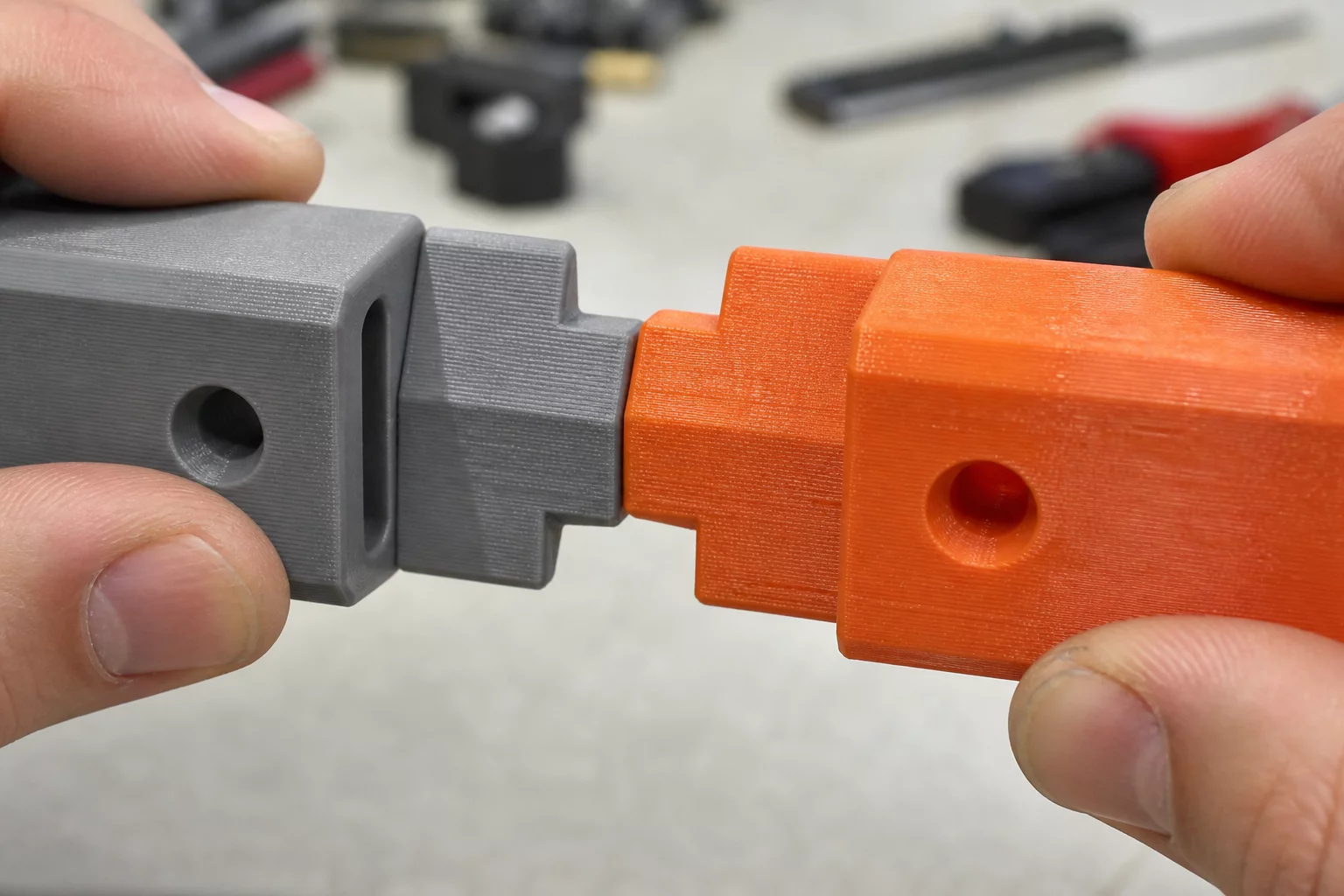
ID: PT-WB01Tolerance
Fit Trial physical verification workbook
CORE QUESTION: MATING CLEARANCE

Fit Trial

Checking a specific mating relationship, sliding tolerances, and press-fit retention between mating surfaces.
Observable: Sliding resistance & gap gauge
Open Workbook
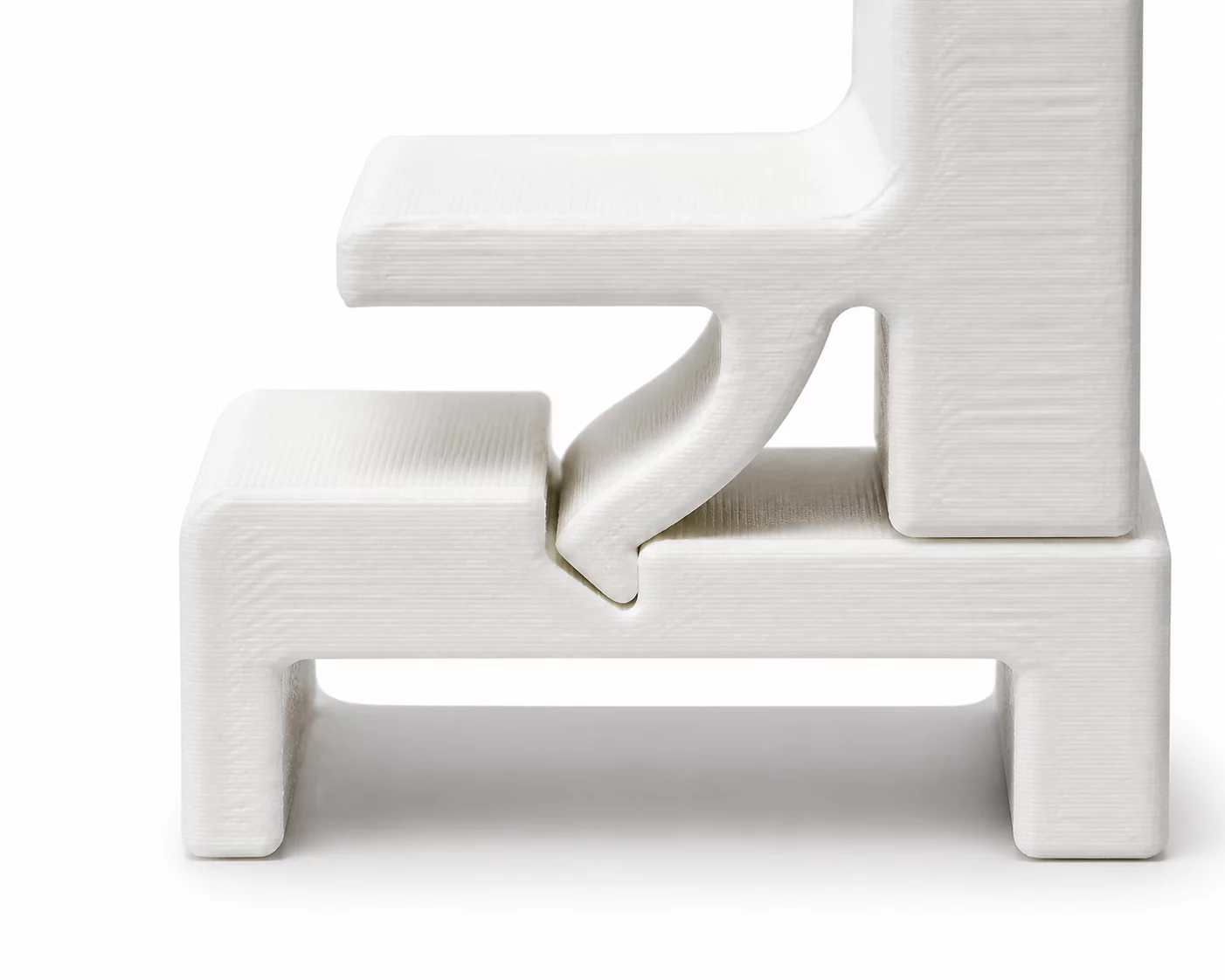
ID: PT-WB02Geometry
Feature Trial mechanical joint validation
CORE QUESTION: FEATURE INTEGRITY

Feature Trial

Testing a single hole, snap, thin wall, clip, or living hinge in isolation without printing non-essential geometry.
Observable: Engagement cycle & deflection
Open Workbook
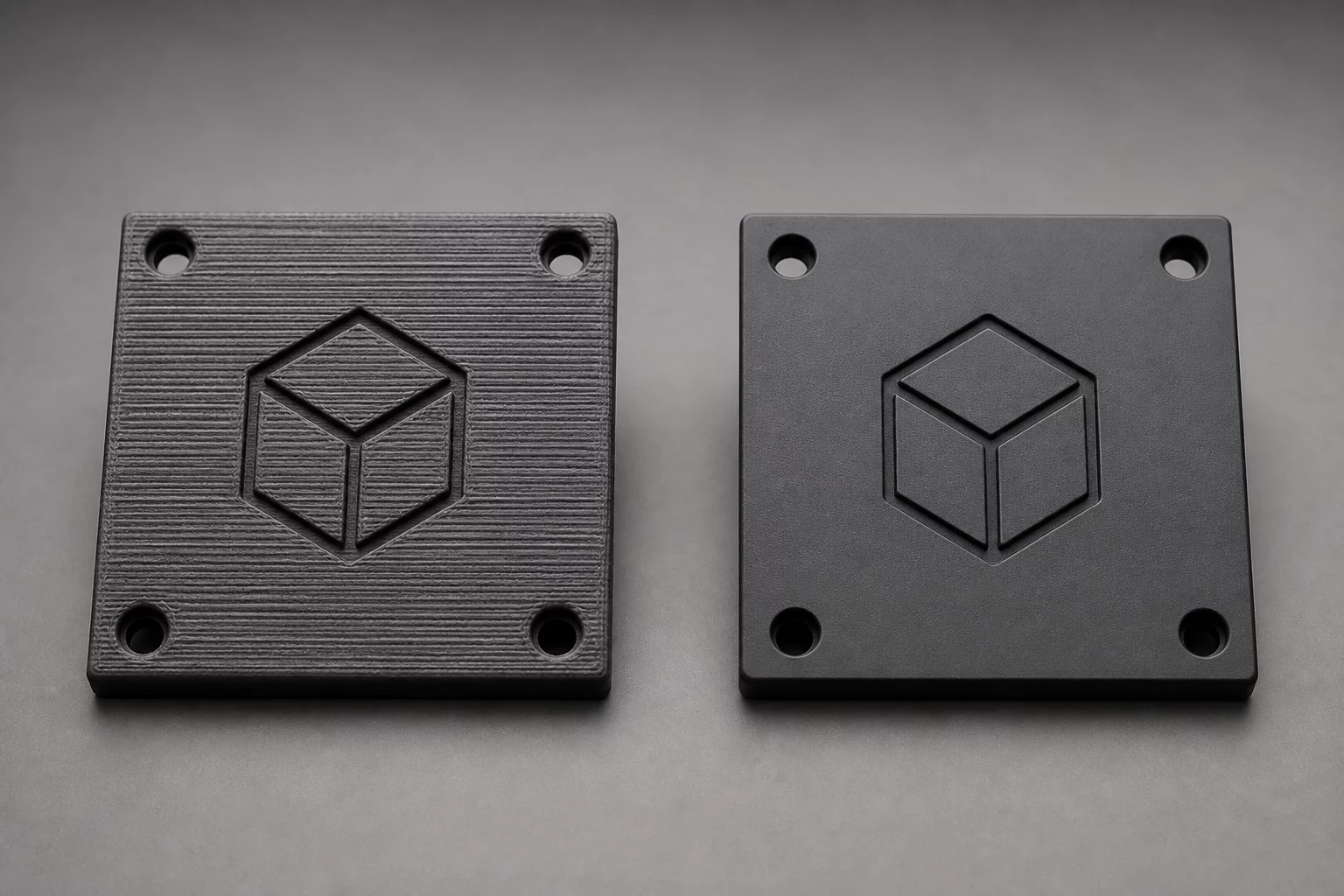
ID: PT-WB03Finish
Surface Trial visual layer inspection
CORE QUESTION: LAYER TEXTURE & SEAM

Surface Trial

Comparing visual outcomes, seam placement, and surface texture under controlled directional lighting conditions.
Observable: Stepping angle & seam visibility
Open Workbook
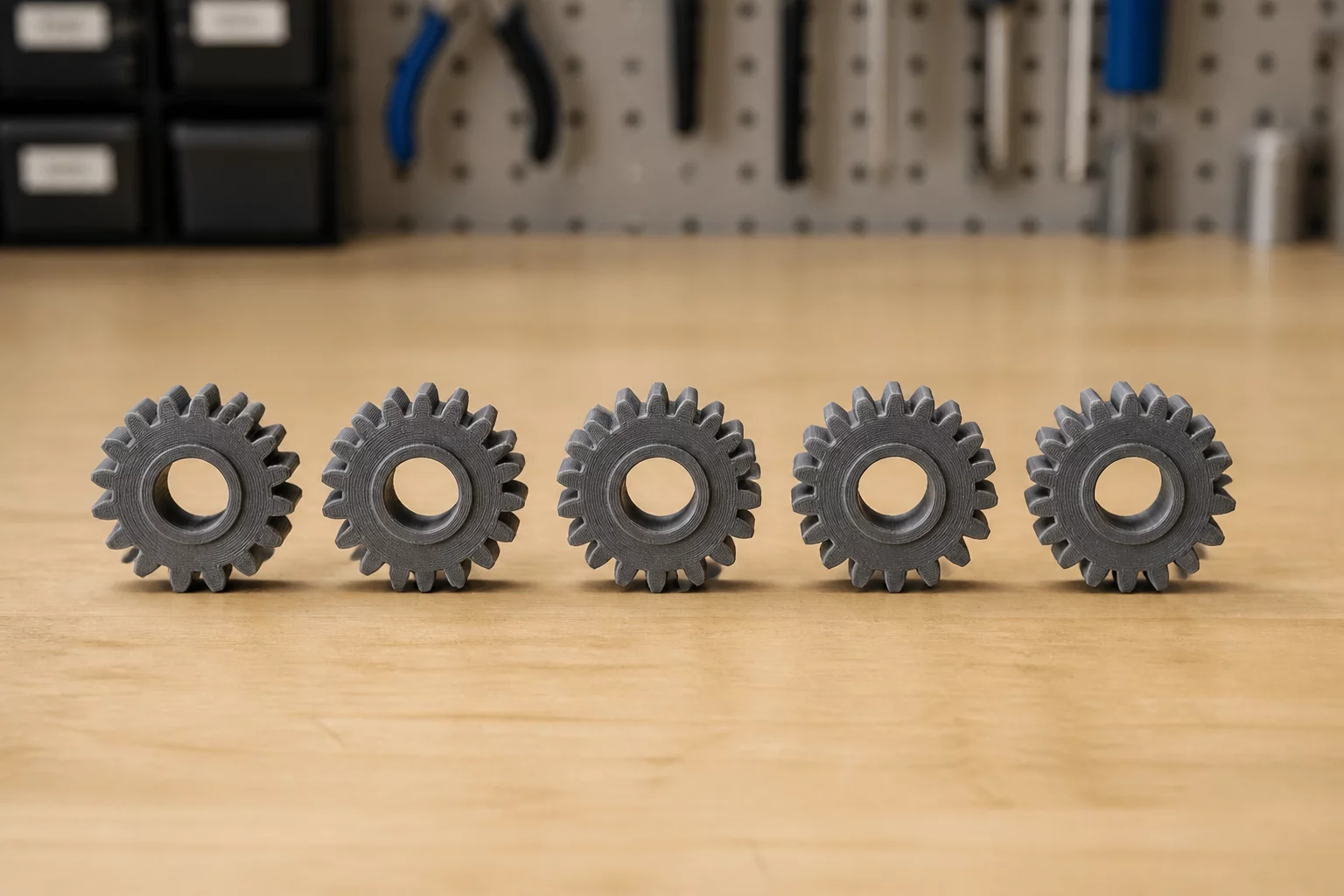
ID: PT-WB04Precision
Repeatability Trial dimensional tracking
CORE QUESTION: BATCH DEVIATION

Repeatability Trial

Evaluating multiple identical parts across build plate coordinates to quantify variance and thermal stability.
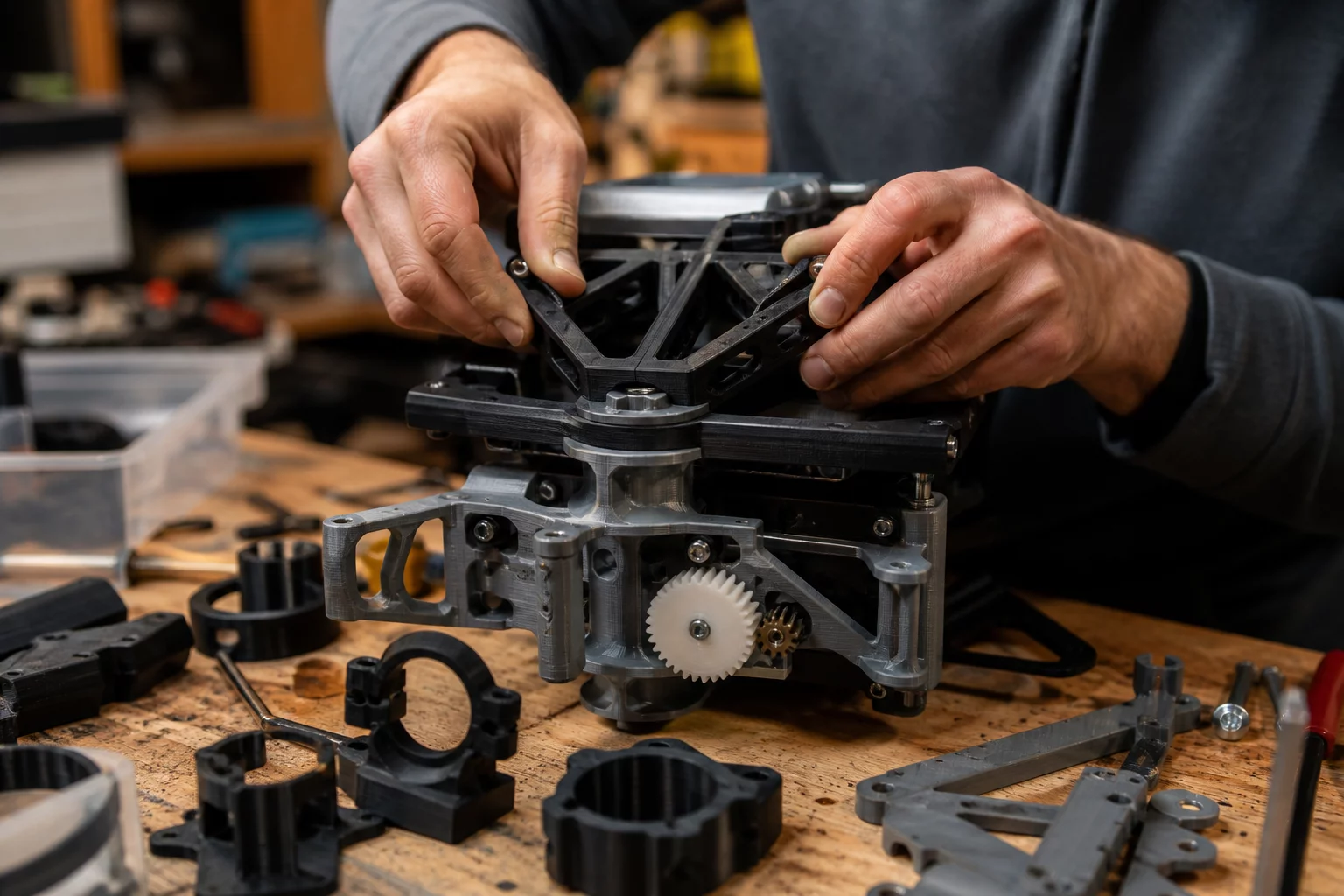
Observable: Caliper variance range (+/- mm)
Open Workbook
ID: PT-WB05Integration
Assembly Trial mechanical interface validation
CORE QUESTION: MULTI-PART COLLISION

Assembly Trial

Checking the physical interaction of assembled components, fastening tension, and clearance stack-up.
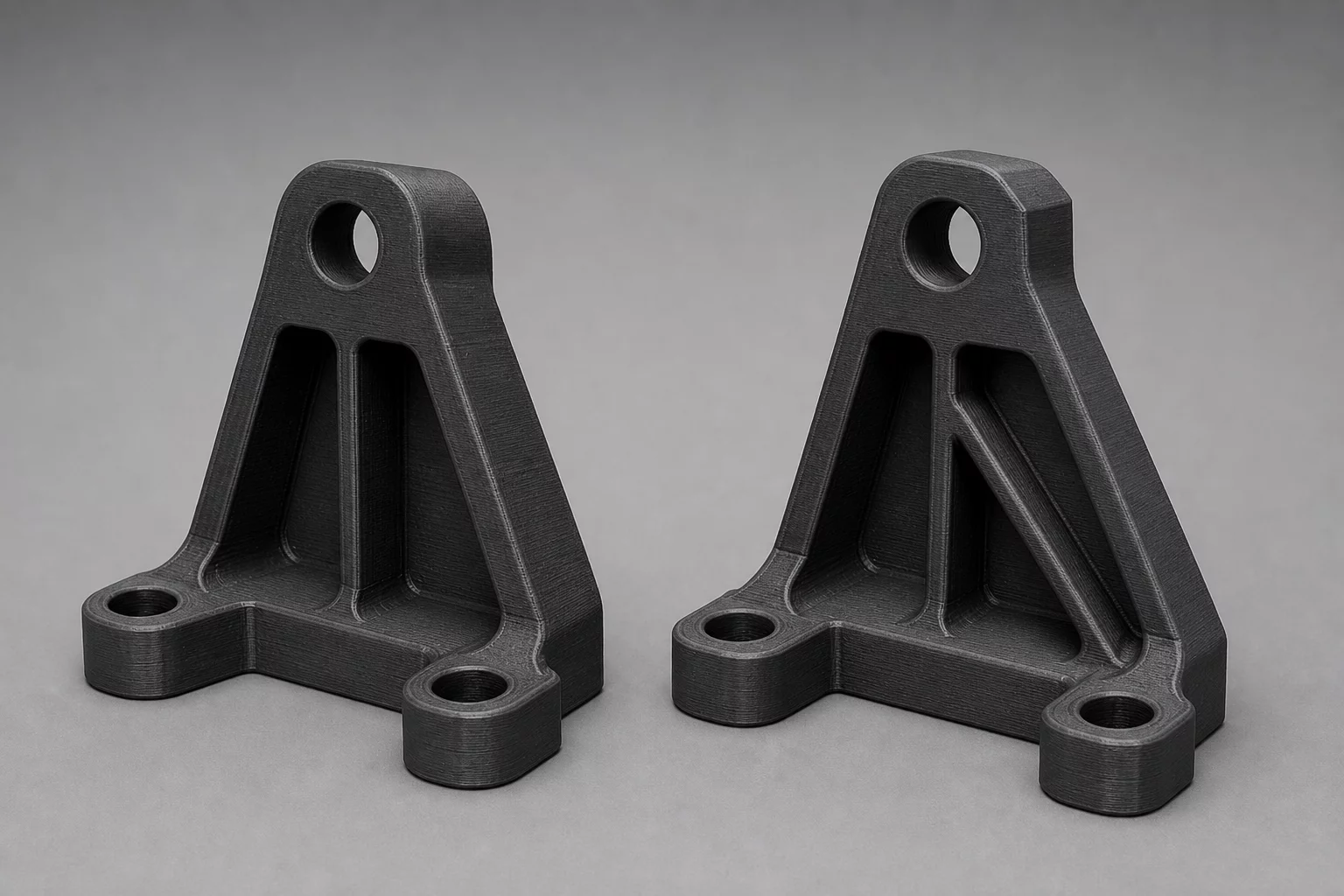
Observable: Alignment pin flushness
Open Workbook
ID: PT-WB06Evaluation
Decision Trial A-B comparative analysis
CORE QUESTION: VARIANT SELECTION

Decision Trial

Deciding between two design variants through direct side-by-side benchmark testing with pre-set criteria.

Observable: Pre-defined binary rubric
Open Workbook
METHODOLOGY PIPELINE

How the Trial Method Works

A systematic six-stage loop for disciplined prototyping: eliminate guesswork, isolate parameters in PrusaSlicer 2.9.6, and build decisive physical proof.

Checkpoint A

1. Define the Single Test Question

Never start printing without articulating an unambiguous technical query. Isolate a single structural aspect rather than evaluating the entire assembly at once.

Workbook Rule: State the exact hypothesis (e.g., “Will a 0.25 mm clearance yield a smooth sliding fit for the slider rail?”).
Scope Reduction: Crop full CAD files to test specimens containing only the geometry in question.
Efficiency Check: Prevents 8-hour exploratory runs by focusing on 20-minute coupon trials.
LOG ENTRY TEMPLATE CHECKPOINT #01
Radial Clearence Offset
“If clearance is 0.20 mm, the snap latch engages without permanent plastic deformation.”
Manual insertion force < 15 N; Zero audible cracking.
Checkpoint B

2. Select Evaluation Criteria

Predefine observable thresholds before sending G-code to the printer. Quantitative or binary metrics prevent subjective bias during post-print evaluation.

Dimensional Limits: Set digital caliper tolerances (±0.05 mm on bore diameters).
Functional Boundaries: Define pass/fail mechanical engagement parameters.
Surface Thresholds: Specify seam visibility, stringing count, and overhang slope integrity.
METRIC BENCHMARKS CHECKPOINT #02
0.15 mm – 0.22 mm (Digital Caliper)
No delamination at 45° overhang; 0.16 mm layer resolution.
Reject if binding occurs under thumb pressure (> 12 N).
Checkpoint C

3. Print One Variable

Keep every slicer profile setting frozen except the exact parameter being evaluated. Changing temperature and layer height simultaneously destroys diagnostic clarity.

Slicer Calibration: Lock base profile in PrusaSlicer 2.9.6 (speeds, perimeters, cooling).
Isolation Rule: Modify strictly one slicer parameter or one CAD dimension per trial run.
Specimen Labeling: Direct physical tag or debossed serial on the test coupon.
CALIBRATION CONTROL CHECKPOINT #03
Nozzle: 0.40 mm • Infill: 20% Grid • Speed: 150 mm/s
Extrusion Temp: 215°C (Modified from 205°C)
PrusaSlicer-v2.9.6-PTW-Standard-PLA
Checkpoint D

4. Record Observable Result

Log directly what occurred upon removing the part from the build plate. Document physical facts immediately rather than relying on memory later.

Immediate Capture: Log measured gap, insertion feel, or seam placement instantly.
Defect Notation: Record specific phenomena: corner lifting, under-extrusion, or tight pin clearance.
Workbook Registry: Bind specimen ID with caliper measurements into PartTrial sheets.
LOGGED OBSERVATIONS CHECKPOINT #04
Actual Bore: 10.04 mm (Nominal: 10.00 mm)
Smooth slide without wobble; initial engagement firm.
Minor seam artifact on rear quadrant; zero stringing.
Checkpoint E

5. Review Trial Evidence

Compare observed empirical data directly against Stage 2 criteria. Ask whether the physical specimen delivers undeniable evidence to settle the initial question.

Hypothesis Evaluation: Correlate recorded numbers against defined criteria bounds.
Repeatability Check: Determine if sample count (n=1 or n=3) provides sufficient confidence.
Evidence Sufficiency: Distinguish between complete validation and inconclusive partial data.
EVIDENCE AUDIT CHECKPOINT #05
Deviation: +0.04 mm • Within defined ±0.05 mm limit
Passed manual cycling test 20 repetitions without wear.
Evidence Conclusive: Hypothesis Confirmed.
Checkpoint F

6. Plan the Next Iteration

Conclude whether the parameter is validated or if another trial print is genuinely needed. Prevent unproductive loop cycles when conclusive evidence is already reached.

Convergence Protocol: Freeze validated parameter and apply to the master assembly CAD.
Branching Decision: If failed, formulate the next single question with an adjusted offset.
Stopping Rule: When criteria are met, stop testing — avoid redundant print runs.
DECISION GATEWAY CHECKPOINT #06
Merge 0.20 mm Clearance into Master CAD
“Does wall thickness 1.6 mm resist torque on mating boss?”
Archive Trial #04; Initialize Trial #05 Worksheet.

One Print

Print isolated geometric sections and single variables to accelerate turnaround time.

One Question

Focus every slice and run on answering one clear engineering hypothesis.

One Observable Result

Log physical data and caliper readings to drive confident design decisions.

Explore Method Guides and Standard Worksheets

Access step-by-step logs and pre-formatted evaluation sheets for your prototyping bench.

Interactive Prototyping Ledger

Experience the PartTrial Workflow

Before spending filament and machine time, isolate one variable. Try the interactive simulator below: select your trial profile, set your single observable hypothesis, and define precise verification criteria.

01

Trial Configuration

PrusaSlicer 2.9.6 Profile
1 Question • 2 Criteria Defined
Live Specimen Ledger
SPEC-084-FIT
Target Hypothesis
Will the 3.2mm clearance hole fit an M3 brass heat-set insert without cracking the boss?
Active Observable Criteria
  • Dimensional Tolerance (+/- 0.05 mm measured with caliper)
  • Tactile / Mechanical Engagement (Snap / Insertion resistance)
Decision Rule
If all selected criteria are verified → proceed to full part fabrication. If any threshold fails → adjust single slicer parameter for next iteration.
Core Methodology

Essential Guides and Articles

Systematic testing guidelines for engineers, designers, and makers. One print. One question. One observable result.

One Variable at a TimeVariables

One Variable at a Time

Isolate a single parameter per run in PrusaSlicer 2.9.6 to obtain unambiguous causal physical data.
Fit Trial Worksheet GuideWorksheet

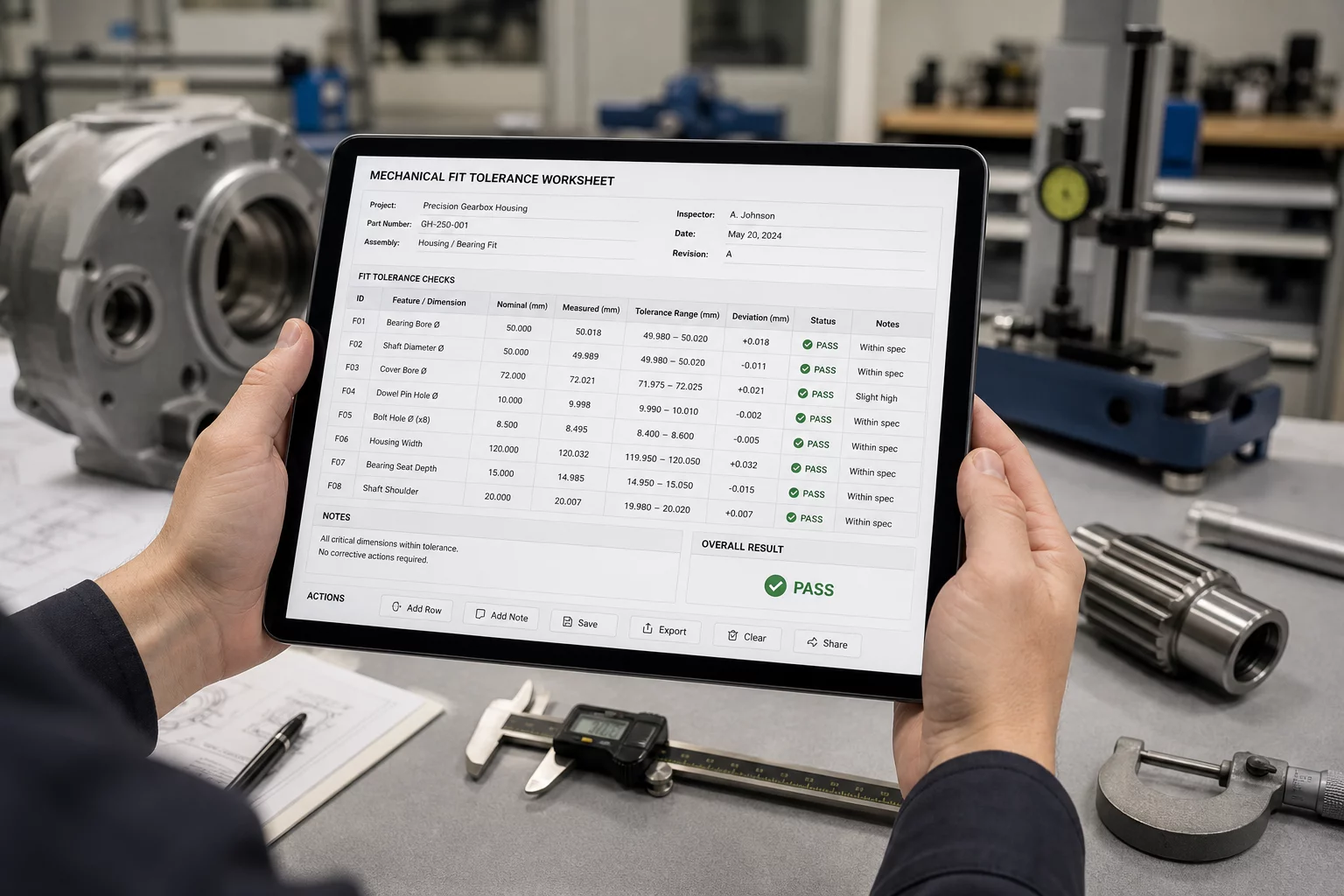
Fit Trial Worksheet Guide

Standardized measurement logging and fit validation protocol for cylindrical and sliding mating components.